Key takeaways:
- Data analytics is now a core workplace skill, not a niche one
Across roles and industries, the ability to interpret and use data is becoming a baseline expectation for staying relevant and making informed decisions. - Practical data analytics courses deliver immediate, job-ready impact
Professional courses focus on real-world application—helping individuals and teams improve decision-making, efficiency, and communication without needing a formal degree. - Data analytics skills unlock long-term career growth and resilience
From enhancing current roles to enabling new career pathways, analytics capability increases influence, visibility, and adaptability in a data-driven economy.
In today’s data-driven economy, organisations no longer succeed by instinct alone. They succeed by making informed decisions backed by data. This is where data analytics courses play a crucial role.
Data analytics is the practice of collecting, analysing, and interpreting data to uncover insights that support better decisions. From understanding customer behaviour to improving operations and forecasting trends, data analytics has become an essential skill across industries. As companies generate more data than ever before, the ability to translate numbers into action is increasingly valuable.
This rising demand has led many professionals to ask important career questions:
Why learn data analytics now? Who needs data analytics skills? Do I need a degree to become a data analyst?
This article deep dives into how taking data analytics courses, regardless of whether or not you are
new to data analytics
or consider yourself a pro, can help you take your career growth to the next level.
Why Learn Data Analytics Now
The way businesses operate has fundamentally changed. Decisions that were once based on experience or intuition are now expected to be supported by evidence. As a result, data analytics is no longer a niche technical skill, but a core workplace requirement.
Learning data analytics now allows professionals to stay relevant in an increasingly competitive job market. Employers across sectors are seeking individuals who can interpret data, identify patterns, and present insights clearly. With digital transformation accelerating, the ability to work confidently with data is fast becoming a baseline expectation rather than a specialist advantage. Furthermore, with the increasingly digitalised business landscape, employees who go the extra mile to master the latest data analytics tools are standing out as top performers.
For individuals, learning data analytics offers career resilience. For organisations, it builds teams that can adapt, optimise, and innovate with confidence.
What Are the Key Benefits of Learning Data Analytics
One of the biggest benefits of learning data analytics is improved decision-making. When teams understand how to analyse and visualise data, they can move beyond assumptions and focus on evidence-based strategies.
Another key benefit of data analytics is efficiency. Data analytics helps teams identify inefficiencies, measure performance accurately, and prioritise actions that deliver the most impact. This leads to better use of time, resources, and effort.
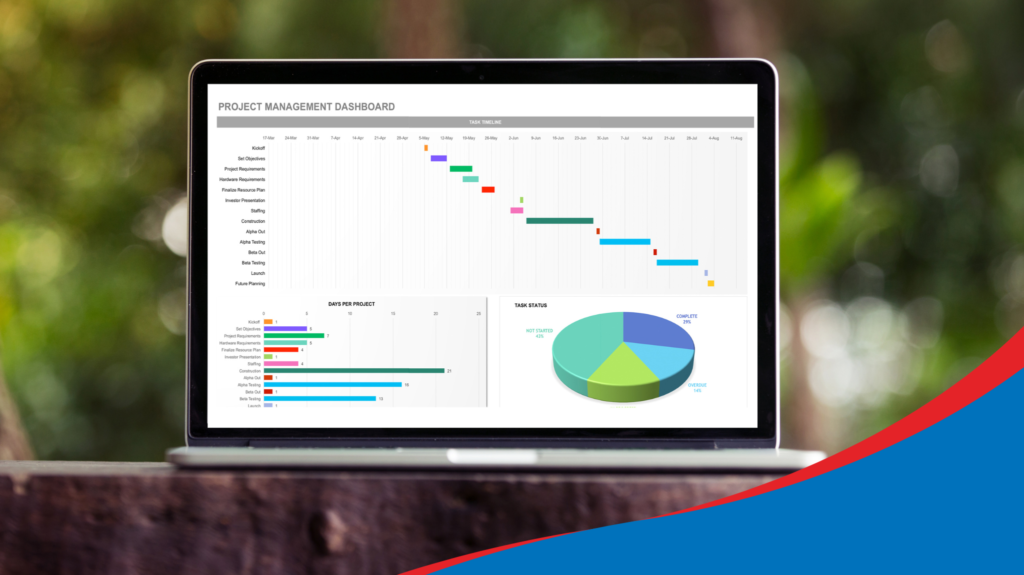
Data analytics skills also improve communication. Being able to present data clearly — through dashboards, charts, or reports — allows professionals to align stakeholders, support recommendations, and influence outcomes more effectively.
Who Needs Data Analytics Or Is It Universal Now
A common misconception is that data analytics is only for data analysts or IT professionals. In the current day and age, data analytics skills are now valuable across almost every role and industry.
Managers use data to track performance and plan strategy. Marketers analyse customer behaviour and campaign results. Finance professionals rely on data to forecast and manage risk. Even HR teams use analytics to improve recruitment, engagement, and retention.
This shift means that data analytics is no longer an additional boon to your resume, but has become a universally welcomed skill. Whether you work in business, operations, sales, marketing, or leadership, understanding data helps you make better decisions and contribute more strategically.
Degree Vs Professional Courses For Data Analytics
Many people wonder if they need a degree to pursue a career in data analytics. The answer depends on your career goals, but for most professionals, a degree is no longer the only path.
While academic degrees provide theoretical foundations, professional data analytics courses focus on practical, job-relevant skills. These courses are designed to help learners apply analytics tools and techniques directly to real workplace scenarios.
Professional courses are also more flexible and time-efficient. They allow learners to upskill without committing to long-term study, making them ideal for working professionals, career switchers, and teams looking to build capability quickly.
How Will a Data Analytics Course Help With Your Goals
A well-designed data analytics course does more than teach tools. It helps learners understand how to ask the right questions, interpret results meaningfully, and communicate insights with confidence.
For individuals, data analytics courses support career progression by opening pathways into more analytical, strategic, and leadership-oriented roles. They also build confidence in working with data, which is increasingly valued across job functions.
For teams and organisations, data analytics courses create a shared language around data. This improves collaboration, alignment, and decision-making, enabling teams to work smarter and more effectively.
Career Growth Pathways Enabled by Data Analytics Skills
Data analytics skills unlock a wide range of career growth opportunities. Professionals with analytics capabilities often move into roles such as business analysts, data analysts, operations leads, performance managers, or strategic consultants.
Even without changing roles, data analytics enhances career progression by increasing visibility, impact, and credibility at work. Professionals who can interpret data and provide insights are more likely to influence decisions and take on greater responsibility.
As organisations continue to prioritise digital and data transformation, these skills will remain highly relevant for years to come.
Evolve Your Skills With JCI’s Data Analytics Courses
Data analytics courses are no longer optional for career growth, they are essential. By learning how to turn data into actionable insights, professionals and teams can evolve with confidence in today’s data-driven workplace.
Start your data analytics journey in Singapore now at JCI, with data analytics courses designed to be practical, industry-relevant, and accessible.