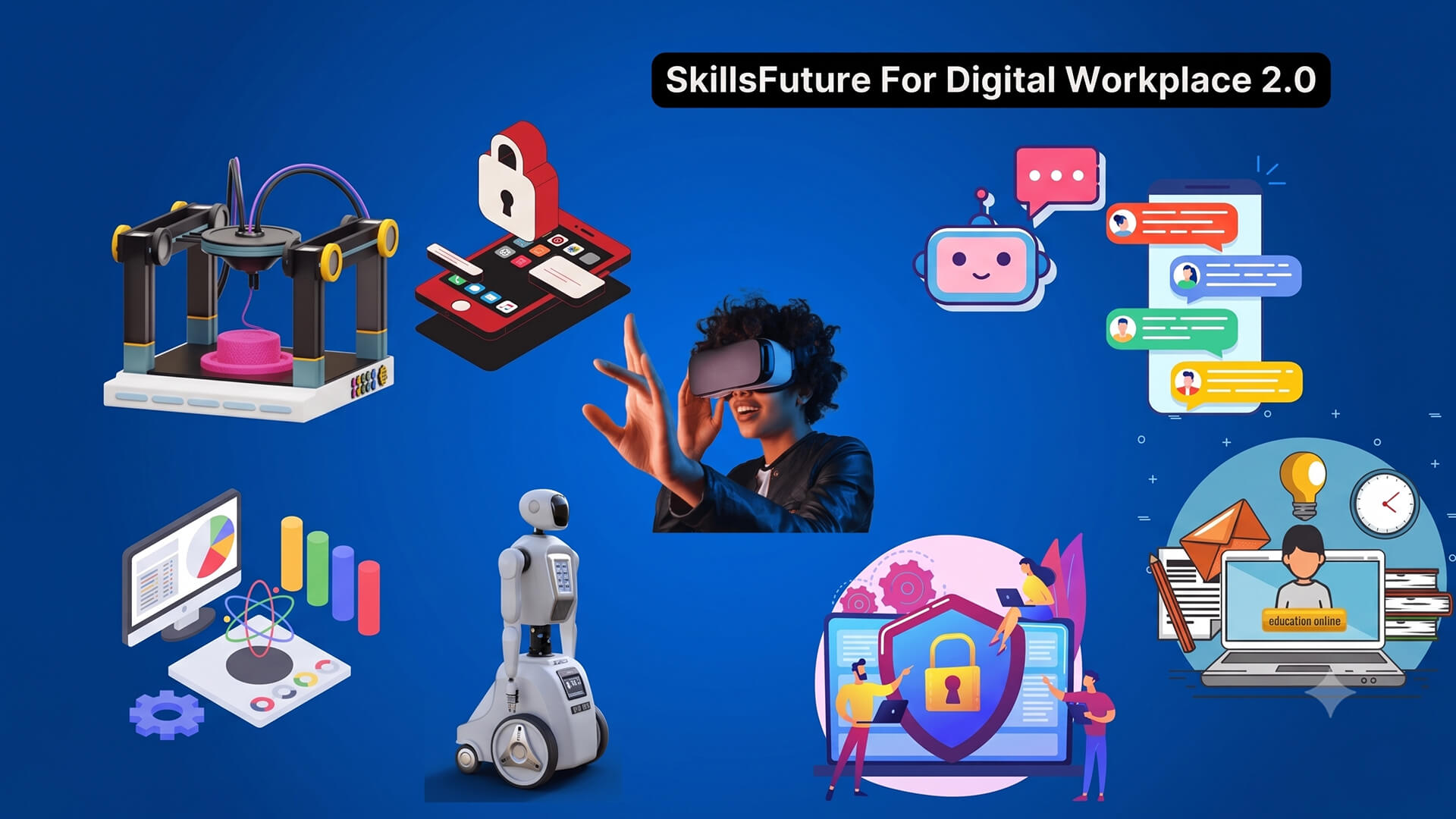
In today's fast-paced digital world, staying ahead of the curve is not just an advantage; it's a necessity. The digital landscape is continually evolving, reshaping the way we work, live, and interact. To thrive in this dynamic environment, you need the right knowledge and skills. That's where "SkillsFuture for Digital Workplace 2.0" comes into play.
In today's digital age, data reigns supreme. Organizations are generating vast amounts of data, and the ability to make sense of this data has become a valuable skill. But it's not just about collecting data; it's about transforming it into meaningful insights that drive decision-making and business growth. Enter the world of data visualization, a skill that's becoming indispensable for professionals across various industries.
As we embark on a journey toward technological excellence and embrace the digital revolution, a transformative shift is underway in the workforce. This transformation brings forth a set of unique digital challenges, reshaping the very fabric of the job landscape and prompting individuals to embrace new skills and knowledge in order to remain pertinent.
Digital transformation has become a game-changer in sectors like retail, manufacturing, built environment, food services, transport, and tourism. While digital tools, automation, data analytics, and cybersecurity are paving the way for innovation, their implementation is not without challenges. Let’s explore some of these hurdles.
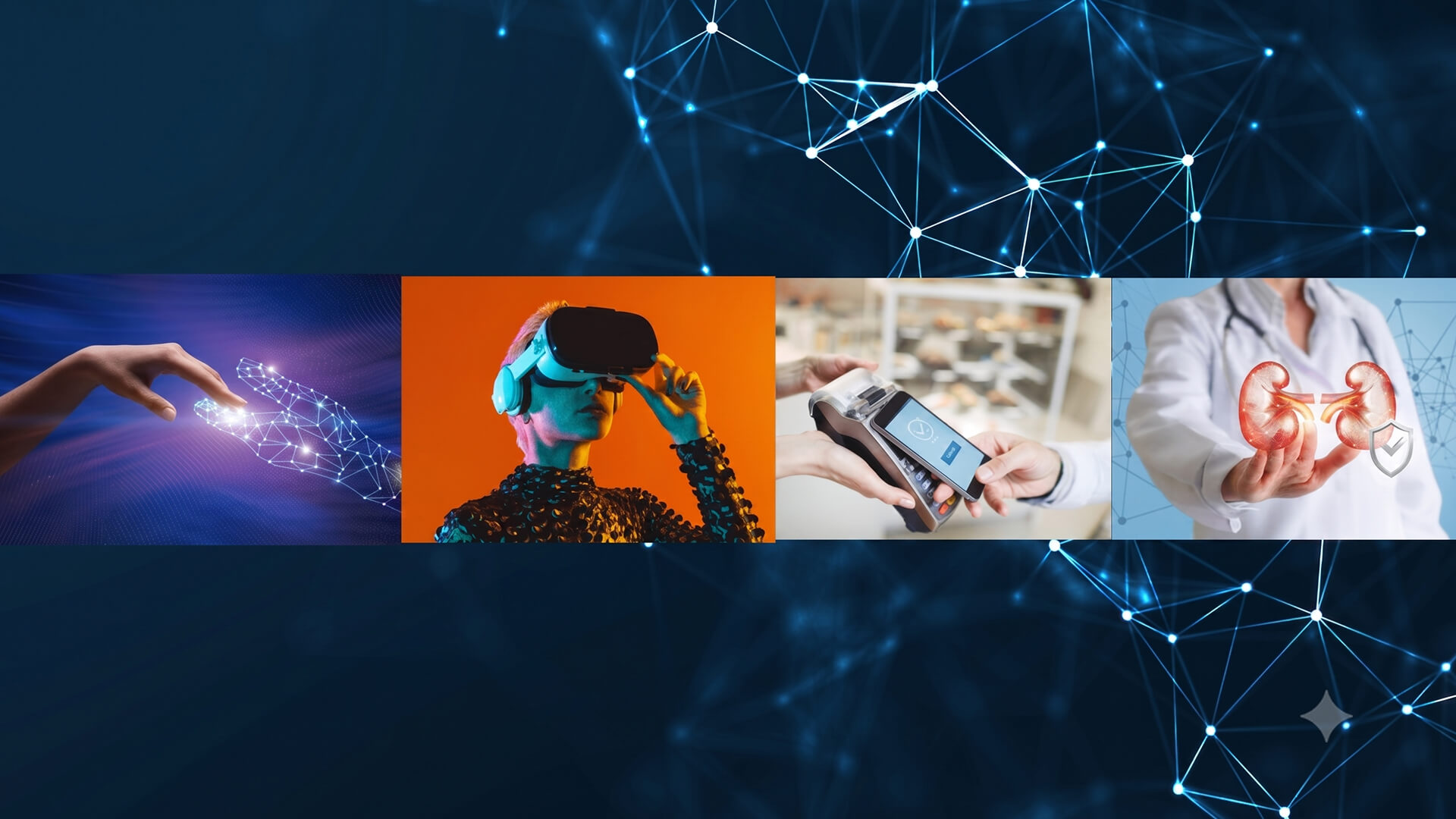
In the age of big data, organizations are increasingly relying on data analytics to gain valuable insights, make informed decisions, and drive business growth. Proficiency in data analysis has become a sought-after skillset, opening up a wide range of career opportunities across industries. In this blog post, we will explore the essential skills and career prospects in the field of data analytics.
In today’s corporate landscape, service excellence has become a crucial element for businesses seeking to stand out from the competition. It encompasses various aspects, including building strong customer relationships, achieving a service vision, going the extra mile, and embracing service innovation. In this article, we will explore the importance of these elements and discuss techniques to cultivate and enhance them in the organizations.
Conflicts are a natural part of working in a team, but they can also create tension, stress, and affect productivity if not managed effectively. Identifying common conflicts that arise in the workplace and learning how to handle them can help create a more harmonious and productive work environment.
Empowering employees is the act of giving them the autonomy and authority to make decisions and take ownership of their work. It's about creating a culture of trust, respect, and accountability that motivates employees to do their best work. When employees feel empowered, they are more engaged, productive, and satisfied with their jobs.
Change is a natural part of life, but it can be particularly challenging when it happens in the workplace. Whether it's a reorganization, a new boss, or a shift in company culture, changes at work can be stressful and disruptive. On the other hand, change can be an opportunity for growth and positive transformation.
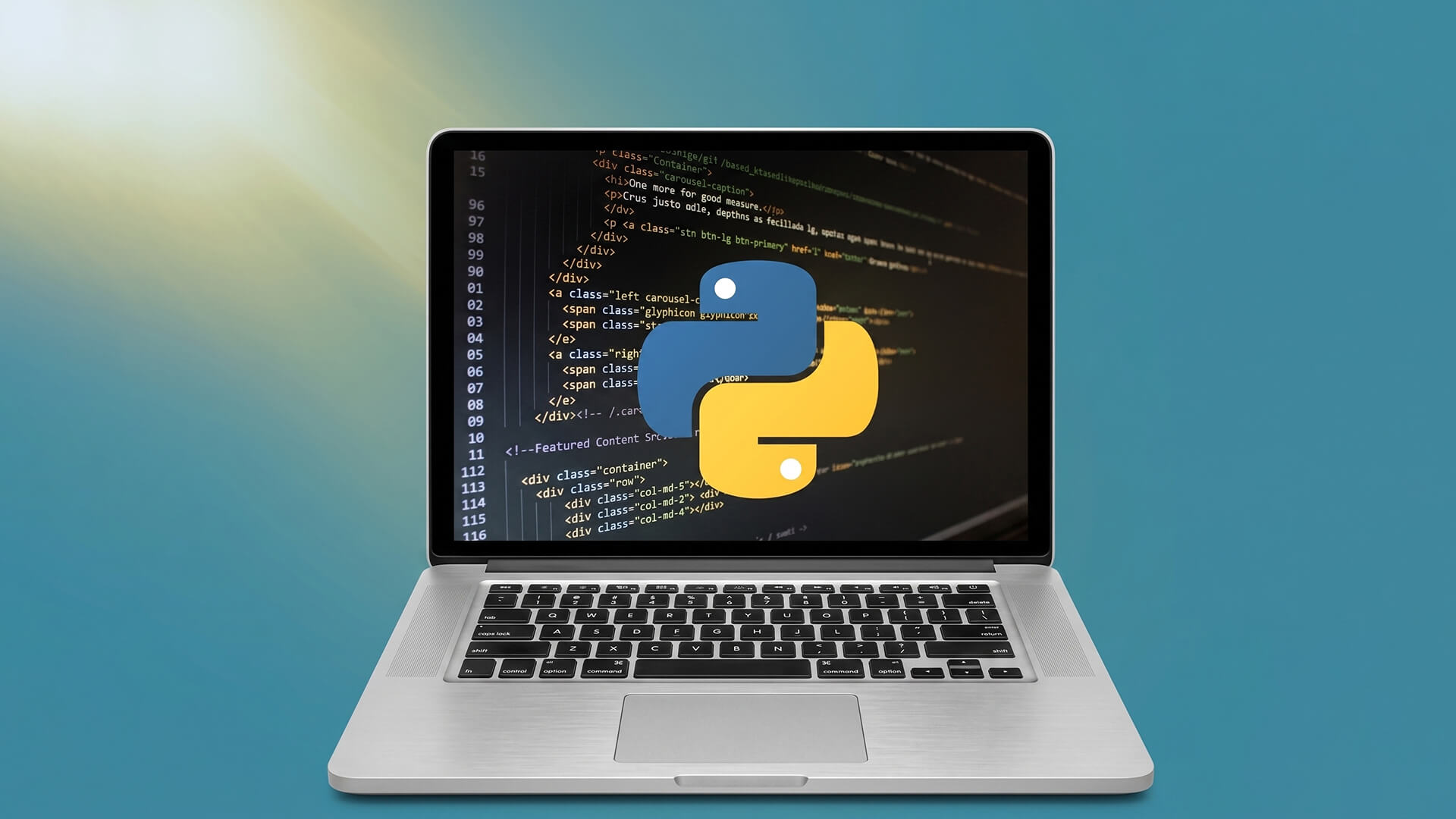
Python is one of the most popular programming languages in the world. It’s widely used by developers and has a large community of supporters. But what makes Python such a great programming language for beginners? In this article, we’ll explore the features of Python that make it an ideal language for those new to coding.